Navigating Ontario’s Legal Cannabis Storefronts
Ontario Cannabis Dispensaries Your Guide to Licensed Retail Locations
Finding a reliable spot to buy legal weed can be a hassle, but Ontario cannabis dispensaries make it simple by offering a wide selection of trusted products in one place. You can walk into a store, browse premium flower, edibles, and vapes in a comfortable, judgment-free environment, and get real advice from knowledgeable staff. Whether you prefer to shop in person or order online for quick delivery, these dispensaries provide a straightforward way to get exactly what you need without the guesswork.
Navigating Ontario’s Legal Cannabis Storefronts
Navigating Ontario’s legal cannabis storefronts means quickly decoding the layout. Most dispensaries place dried flower and pre-rolls front and center, with vapes and edibles tucked along perimeter shelves.
Always check the packaging date before purchase—fresher flower retains more terpenes and potency.
Staff are trained to recommend based on desired effects, not just THC percentage. Scan the digital menus at the entrance to compare options before waiting in line. Many stores have a „budtender bar” for olfactory sampling of sealed jars. For concentrates, request their „live resin” vs. „distillate” breakdown, as texture and high differ significantly. Payment is debit-only at all legal Ontario cannabis dispensaries.
How Licensed Retailers Differ from Unlicensed Sellers
Licensed retailers in Ontario operate through a clear supply chain, ensuring each product is traceable from producer to shelf, while unlicensed sellers offer no such assurance. The key difference is product verification and safety standards; licensed stores only sell items tested for potency and contaminants by federally authorized labs, whereas unlicensed sources bypass this. Staff at licensed dispensaries undergo mandatory training to provide accurate dosing and consumption guidance, unlike unlicensed sellers who lack standardized expertise. Payment options also differ, as licensed retailers accept debit and credit cards, while unlicensed operations typically require cash only.

- Licensed stores display AGCO-issued permits; unlicensed sellers hide their lack of authorization.
- Licensed products include child-resistant, tamper-evident packaging with clear THC/CBD labels; unlicensed goods often lack these protections.
- Licensed retailers offer purchase receipts with traceable batch numbers for returns or health concerns.
Where to Find Official Shop Locations Across the Province
To find official Ontario cannabis dispensaries, use the Alcohol and Gaming Commission of Ontario’s online store locator, which maps every licensed retail outlet by city or postal code. The Ontario Cannabis Store website also lists all authorized brick-and-mortar locations, with direct links to each store’s page for hours and services. Not all licensed shops appear on Google Maps reliably, so the AGCO’s registry remains the definitive source. For specific regions, search by municipal name—such as “Toronto,” “Ottawa,” or “Thunder Bay”—to reveal every storefront legally operating in that area.
Understanding the Legal Landscape for Local Bud Shops
Understanding the legal landscape for local bud shops means recognizing that every Ontario cannabis dispensary operates under a provincial retail framework, not a local one. For a consumer, the practical implication is that all legal stores—whether a small local shop or a large chain—must adhere to the same product sourcing and security protocols mandated by the Alcohol and Gaming Commission of Ontario.
This uniform regulation means a local bud shop’s inventory and operational integrity are legally identical to any other provincially licensed retailer.
When you walk into a local shop, the key user-relevant insight is that the legal requirement for lab-tested, government-tracked products applies universally, eliminating the need to question a store’s legitimacy based on its size or local feel.
Age Restrictions and ID Requirements at Point of Sale
At the checkout counter of any Ontario cannabis dispensary, age verification is non-negotiable. You must present a valid, government-issued photo ID proving you are 19 or older, even if you look well past the legal age. The retailer scans or inspects your license, passport, or Ontario photo card before completing the sale. This process is not just a formality—it is the law. Staff are trained to refuse service without hesitation if your ID is expired, damaged, or absent. Effective ID verification at point of sale ensures no minor can purchase cannabis legally. Q: What happens if I forget my ID? A: The sale stops. No exceptions. You must return with proper identification to complete the purchase.
Purchase Limits and Public Consumption Rules to Know
When visiting Ontario cannabis dispensaries, your daily purchase limit is a firm 30 grams of dried flower or its equivalent in other forms, a cap that resets each day. You cannot consume any product inside the shop or in public spaces like sidewalks or parks; you must wait until you are on private property. For a hassle-free visit, remember that opening packaging or smoking directly outside the dispensary violates the law. Mastering these public consumption rules keeps your experience smooth and legal, letting you enjoy your purchase without fines or unwanted attention.
What to Expect Inside a Regulated Cannabis Retailer
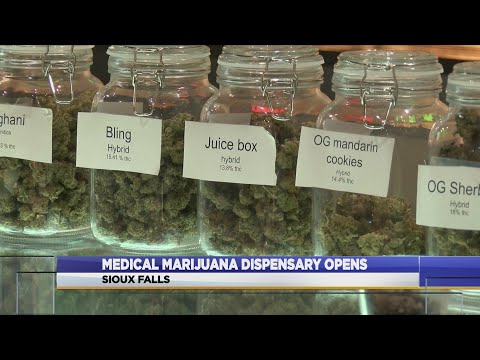
Stepping inside an Ontario cannabis dispensary, you’re greeted by a clean, minimalist space where products are locked behind glass counters, not on open shelves. A budtender, wearing a branded badge, asks for your government-issued ID before you can browse. You’ll see strains arranged by type—indica, sativa, hybrid—each jar labeled with THC and CBD percentages. You can ask to smell or inspect sealed packaging before buying, a practical touch that helps you gauge freshness. The transaction is cash or debit only; credit cards aren’t accepted.
Don’t expect a casual hangout—you’re in and out, with your purchase in a plain, child-resistant bag.
The atmosphere is clinical and efficient, focused entirely on compliance and clear, direct service.
Product Display and Packaging Standards
Inside an Ontario dispensary, you will see child-resistant, tamper-evident packaging on every product, with plain packaging rules limiting brand flashiness. Each container must clearly display the strain name, THC/CBD content, and a government warning. Product displays are locked behind glass or barriers, requiring staff assistance to handle anything before purchase.
- All dried flower and pre-rolls come in resealable, opaque bags or containers.
- Edibles and beverages use standardized, neutral-looking boxes with no cartoonish imagery.
- Vape cartridges and oils are sealed in tough plastic or glass, with a visible metered dose indicator.
Staff Training and How Budtenders Can Help
At Ontario cannabis dispensaries, budtenders undergo rigorous product knowledge and compliance training, making them your most valuable resource. Expect them to guide you based on your desired effects, tolerance, and consumption method, not just THC percentages. They are trained to explain terpene profiles and consumption methods to help you choose the right flower, vape, or edible. This staff training ensures you receive safe, personalized advice rather than a simple transaction.
Q: How should staff training directly help me inside a store?
A: Trained budtenders can break down potency and onset times, helping you avoid discomfort and match products to your specific situation.
Exploring Product Variety at Ontario’s Pot Shops
When exploring product variety at Ontario’s pot shops, known as ontario cannabis dispensaries, customers can browse an extensive selection of flower strains, pre-rolls, vape cartridges, edibles, concentrates, and topical products. Each dispensary’s menu often highlights differences in THC and CBD potency, terpene profiles, and consumption methods. Many locations now feature rotating seasonal or craft products from licensed micro-cultivators, allowing users to discover unique genetics and artisanal offerings not found in standard inventory. Shoppers can also compare formats like infused beverages, sublingual oils, and fast-acting gummies, tailoring their choice to desired onset time and dosage. Exploring this variety directly at a storefront or through its online menu helps match individual preferences for effect, flavor, and convenience without relying on generalized recommendations.
Dried Flower, Pre-Rolls, and Edibles: Common Choices

At Ontario dispensaries, dried flower remains the foundation for most consumers, offering precise strain selection and customizable potency through grind and roll methods. Pre-rolls deliver unmatched convenience, providing ready-to-smoke options from single joints to multi-packs, ideal for on-the-go use without preparation. Edibles present a smoke-free alternative with controlled dosing, typically taking 30–90 minutes for onset and offering discrete, longer-lasting effects. Each choice caters to a distinct experience, whether seeking ritual, speed, or subtlety. Dispensary staff often guide newcomers toward pre-rolls for immediacy or low-dose edibles for gradual familiarity, making these three categories the most accessible product forms for any visit.
Dried flower offers customizable effects and flavors, pre-rolls provide immediate convenience, and edibles deliver smoke-free, sustained relief—forming the core trio for Ontario consumers.
Concentrates, Vapes, and Topicals for Experienced Users
For experienced users navigating Ontario dispensaries, high-potency cannabis extract options demand careful selection. Concentrates like live resin or shatter enable precise dosing through dab rigs or nectar collectors, maximizing cannabinoid content. Vape carts packed with distillate or full-spectrum oil offer portable, discreet inhalation, though checking for added botanical terpenes is critical to avoid lung irritation. Topicals, typically high in THC or combined with CBD, provide localized relief without psychoactive effects, especially valuable for chronic pain management. Each form requires attention to extraction method and carrier ingredients to match tolerance and desired outcomes.
- Prioritize solvent-free concentrates like rosin over butane-extracted options for purity.
- Select full-spectrum vape carts for entourage effects versus distillate for isolated THC.
- Verify topical THC potency; transdermal patches deliver systemic effects versus creams for surface application.
Pricing Trends Across Licensed Premises
The pricing landscape across licensed Ontario dispensaries shows notable vertical stratification for dried flower, with ounce-bag prices ranging from the low $80s for budget shake to over $250 for premium craft. A typical mid-tier quarter now sits around $45-55, while vape cartridges have converged at roughly $35-50 per 1g. Daily deal structures also diverge: legacy stores often use a single steep discount on one product, whereas newer retailers lean on loyalty-point systems or store-wide percentage-off events.
A key insight is that pre-rolled joints now often cost more per gram than loose flower in the same brand, reversing older volume discounts.
This dynamic pushes informed buyers to decriminalize their purchases, typically buying flower and cones separately rather than branded pre-rolls.
Comparing Costs: Provincial vs. Private Storefronts

When comparing costs, provincial vs. private storefronts reveal a clear divide for Ontario cannabis shoppers. Private dispensaries often undercut the Ontario Cannabis Store (OCS) on popular mid-tier flower, using bulk buying or loss leaders to drive foot traffic. Conversely, provincial outlets maintain stricter pricing floors on premium products, while private shops may add margins on limited drops or accessories. You pay for selection diversity at private stores, not always for a lower base price.
- Private shops frequently offer daily deals on 3.5g flower not found at OCS storefronts.
- OCS keeps vape cart prices uniform, whereas private stores sometimes discount bulk purchases.
- Edibles and beverages see steeper markups at private locations compared to provincial shelves.
Sales Tax and Excise Duties: What Gets Added at Checkout
When you check out at an Ontario cannabis dispensary, the final price Buy cannabis includes both the 13% HST and a federal excise duty. This duty is calculated as a flat rate per gram, which is already factored into the retail price you see on the shelf. Hidden checkout costs typically do not appear, since the excise duty is baked in by the retailer before listing. However, the consumer effectively pays this invisible levy through a higher base cost per gram. Q: Does the excise duty show as a separate line item on my receipt? A: No, it is absorbed into the per-gram price, so you only see HST added at the register.
Location Strategies for Opening a Retail Cannabis Business

When scouting sites for an Ontario cannabis dispensary, prioritize high-traffic main street visibility with ample parking to capture both daily commuters and destination shoppers. Analyze the specific pedestrian flow patterns during retail hours, as a location near grocery stores or LCBOs can leverage natural customer synergy. A site three doors down from a coffee shop may outperform one directly beside a vape store due to differing foot traffic rhythms. Always verify municipal zoning overlays for proximity buffers—even a single property line’s difference can determine viability. Secure a site with street-level signage unobstructed by trees or awnings, ensuring brand presence from multiple approach angles. Avoid secondary plazas with limited dwell time, and prioritize corners with two street frontages for maximum exposure.
Municipal Zoning Bylaws and Distance Restrictions
When selecting a site for an Ontario cannabis dispensary, municipal zoning bylaws dictate permissible land-use zones, often confining stores to specific commercial or industrial areas. Distance restrictions are equally critical, typically mandating a minimum separation—commonly 150 metres—from schools, playgrounds, and community centres. Measuring these buffers accurately with geospatial tools is essential, as violations prevent licensing. Local municipality cannabis proximity rules can vary by town, so verifying the exact bylaw with the municipal clerk is a necessary step before signing a lease.
Q: Do distance restrictions apply to daycares and parks as well?
A: Yes, most Ontario municipalities include licensed daycares, parks, and sometimes public libraries in their bylaw distance requirements. Each city or region updates its own list, so confirming the specific excluded facilities is vital.
Proximity to Schools and Community Hubs
When selecting a location for an Ontario cannabis dispensary, proximity to schools and community hubs directly dictates a site’s viability due to strict exclusion zones. A dispensary cannot operate within 150 metres of a public or private school, which includes daycare centres and after-school programs. Similarly, being adjacent to community hubs, such as recreation centres or libraries, requires careful measurement to avoid unintentional violations. A practical strategy is to map these buffers early, ensuring the chosen storefront sits outside defined perimeters. This physical separation influences foot traffic patterns, as customers near schools are displaced, while hubs can still generate secondary traffic if the dispensary is placed just outside restricted boundaries.
Online Ordering and Delivery Options from Authorized Sellers
For Ontario cannabis dispensaries, online ordering from authorized sellers requires verifying the retailer is listed on the AGCO’s authorized directory. Place your order through their secure website or dedicated app, ensuring your delivery address is within the seller’s license-approved zone. Most authorized sellers offer contactless drop-off within 1–3 business days, with a mandatory ID check upon arrival; you cannot accept a package if you are not present.
To avoid delays, always confirm your government-issued ID matches the name on the order before checkout.
Payment is typically processed online via debit or credit card, and delivery fees are disclosed at order submission.
How Click-and-Collect Works for Same-Day Pickup
For same-day pickup at Ontario cannabis dispensaries, you first browse the store’s online menu and select your products, adding them to your cart. At checkout, you choose the “click-and-collect” option and pick your preferred store. After completing payment online, you receive an order confirmation with a pickup time—often within one to two hours. You then drive to the store, park, and either enter the designated pickup area or text the provided number. A budtender brings your sealed order to your car or counter, verifying your ID. This streamlined process bypasses in-store browsing, offering rapid same-day pickup for a quick, contactless transaction.
Delivery Zones, Time Slots, and Age Verification Steps
Delivery zones in Ontario often map to municipal boundaries; some dispensaries service only specific cities or postal codes, while others expand to surrounding regions for an extra fee. Time slots are commonly presented as one-hour windows, allowing you to select morning, afternoon, or evening delivery during checkout. The age verification step is non-negotiable: a valid government-issued ID must be shown at the door, and some services also require online ID upload before dispatch. Drivers will not release packages without confirming your identity matches the order details.
| Aspect | Typical Process |
|---|---|
| Delivery Zones | City-based or postal-code filtered; often wider radius for a fee |
| Time Slots | Selectable 1-hour windows (e.g., 10–11am, 2–3pm) |
| Age Verification | ID check on arrival + mandatory online photo ID upload for first orders |
Health and Safety Standards in Dispensary Operations
In Ontario cannabis dispensaries, rigorous health and safety standards are non-negotiable for protecting both staff and consumers. Every product dispensed undergoes stringent product testing for contaminants like pesticides, mold, and heavy metals, ensuring only safe, lab-verified cannabis reaches your hands. Sanitation protocols are strictly enforced, with mandatory glove use during handling and daily sterilization of all surfaces and tools. Achieving a risk-free environment requires constant, meticulous airflow management through certified HVAC systems to prevent airborne pathogen buildup. These operational standards directly safeguard your health, transforming every visit into a secure, reliable experience where safety is woven into each transaction. You can trust that every step, from storage to sale, is executed with your well-being as the absolute priority.
Product Testing Requirements for Purity and Potency
For Ontario cannabis dispensaries, mandatory third-party cannabis potency testing is non-negotiable for product approval. Every batch must be analyzed for THC and CBD levels, ensuring the label matches what you consume. Purity testing screens for microbial contaminants, residual solvents, and heavy metals like lead. If a product fails these thresholds, it is destroyed before reaching the shelf. This zero-tolerance protocol directly protects your health by verifying the absence of harmful adulterants. You are purchasing from dispensaries only because this uncompromising lab verification guarantees consistent, accurate dosing with every gram or edible.
Packaging Guidelines to Prevent Accidental Access
When you pick up your order from an Ontario cannabis dispensary, the packaging is designed with child-resistant features to prevent accidental access. These guidelines mean containers use push-and-turn caps or resealable pouches that are tough for little hands to open but manageable for adults. Budtenders will double-check that your jar or bag is securely closed before it leaves the counter. Even edibles come in plain, opaque packaging to avoid looking like regular treats. This helps keep your stash safely stowed at home, ensuring only you have the green light to enjoy it.
Changing Consumer Habits in the Provincial Market
In Ontario’s provincial market, a clear shift is emerging where consumers now prioritize local craft cultivars over mass-produced flower. Dispensary regulars are increasingly requesting terpene profiles rather than THC percentages, seeking specific effects for their routines. Many shoppers now arrive with a pre-researched list of preferred growers, rejecting generic recommendations. This habit pushes budtenders to stock smaller-batch products from regional producers. The change also means higher repeat traffic for stores that rotate their dried flower selection weekly, as customers abandon shops with stagnant inventory. Practical advice for dispensaries: train staff to discuss cultivation methods and flavour notes, as buyers now ask detailed questions about growing medium and drying techniques before purchasing. Adapting to these evolving preferences is essential for maintaining a loyal local customer base.
Shift Toward Higher-Quality Craft Cannabis Strains
Ontario dispensaries now see customers prioritizing dense, aromatic buds with nuanced terpene profiles over generic high-THC options. Shoppers are specifically asking for craft cannabis strains grown in small batches, often sun-grown or using organic living soil, to ensure superior flavour and smoothness. This means examining trichome development and cure quality at the point of sale, rather than just potency percentages. Consumers increasingly reject machine-trimmed, dried-out flower in favour of hand-trimmed small-batch harvests that preserve moisture and volatile compounds.
Craft cannabis strains in Ontario dispensaries represent a consumer shift toward provenance, meticulous cultivation, and sensory richness over mass-produced uniformity.
Growing Demand for Low-THC and CBD-Forward Options
Ontario dispensaries now prominently feature CBD-forward options to meet the rising demand for milder effects, prioritizing wellness over intoxication. Customers increasingly select low-THC products for daytime use or social settings, seeking relief without impairment. These formulations allow users to maintain productivity while managing anxiety or inflammation. Budtenders frequently recommend CBD-dominant oils or balanced flower for those new to cannabis or sensitive to high potency. Shoppers now ask specifically for products with clearly labeled cannabinoid ratios, avoiding unpredictable highs. The shift reflects a practical preference for controlled, functional consumption.
Differences Between Urban and Rural Retail Experiences
In urban Ontario dispensaries, the experience is often transactional and fast-paced, with staff managing high customer volume and offering concise product recommendations from a vast, rotating inventory. The emphasis is on speed and self-service menus, as consultations are brief due to queue pressure. Conversely, rural dispensaries prioritize relationship-building, where staff have time for extended, low-pressure conversations about terpene profiles and specific effects. Their stock is typically curated toward consistent local preferences for classic strains, whereas urban shops chase novelty. The rural environment encourages a deeper, educational interaction, contrasting sharply with the city’s focus on efficient, grab-and-go service for a diverse, transient clientele.
Store Density in Toronto vs. Northern Communities
In Toronto, cannabis dispensaries are as common as coffee shops, with multiple options often on a single block, offering unparalleled convenience and choice for city dwellers. Conversely, northern communities face a stark reality where a single store may serve an entire region, requiring residents to drive hours for a product that is steps away in the core. This density differential means Torontonians can price-shop easily and access limited-edition drops, while northerners must plan purchases meticulously and accept limited stock. The urban shopper enjoys spontaneity; the northern shopper endures deliberate, logistical trips.
| Aspect | Toronto (High Density) | Northern Communities (Low Density) |
|---|---|---|
| Accessibility | Walkable, within minutes | Requires vehicle, often hours |
| Product Variety | Extensive, rotating stock | Limited, basic selection |
| Shopping Experience | Spontaneous, competitive pricing | Planned, higher per-trip cost |
Curbside Pickup and Delivery Gaps in Remote Areas
In Ontario, cannabis dispensaries in remote areas face a significant last-mile delivery disconnect. Curbside pickup becomes unreliable due to unpaved roads and unreliable GPS mapping, forcing customers to wait hours or miss time slots entirely. Delivery gaps are exacerbated by limited courier zones and single-driver fleets, where orders from northern communities are deprioritized behind urban routes. To overcome these barriers:
- Dispensaries must invest in real-time inventory tracking tied to local accessibility, not urban averages.
- Shoppers should confirm confirmation windows and satellite connectivity before placing a curbside order.
- Hybrid models—where a remote hub holds products for scheduled pickup—reduce failed delivery attempts in rural pockets.
Future Outlook for Ontario’s Legal Weed Retailers
The future outlook for Ontario’s legal weed retailers hinges on their ability to become hyper-localized community hubs. As the market matures, dispensaries that survive will be those cultivating expert-led, in-person education and premium customer loyalty programs. The winning stores will not just sell products; they will offer guided discovery and personalized subscription models, making the online experience seem sterile by comparison.
Your local dispensary’s survival depends on replacing convenience with irreplaceable expertise.
By prioritizing a physical, trust-based relationship over price wars, Ontario’s cannabis retailers can secure a loyal, return-driven clientele that values the experience as much as the purchase.
Potential Policy Changes on Store Hours and Advertising
Policy changes may extend Ontario dispensary operating hours to match alcohol retailers, allowing later purchases. Advertising restrictions could loosen, permitting targeted digital promotions within provincial guidelines, though billboard bans are likely to remain. This would shift consumer access from dictated hours to flexible, late-night shopping options. Q: Will advertising rules allow social media cannabis ads? A: Future policy could permit platform-specific ads if strict age-gating and content limits are met, but general promotional outreach remains prohibited. These adjustments aim to align retailer operations with evolving consumer habits without compromising public safety oversight.
The Rise of Cannabis Lounges and On-Site Consumption
As Ontario’s cannabis market matures, dispensaries are pivoting from simple retail to experiential hubs, with the rise of on-site consumption lounges reshaping how customers engage with products. These lounges allow patrons to sample strains in a controlled, social setting before purchasing, eliminating guesswork for new users. The shift transforms a transaction into an educational tasting session, building brand loyalty through direct experience. Dispensaries convert backrooms or adjacent spaces into ventilated, furnished areas where consumption is safe and guided by staff. This model encourages longer visits, repeat traffic, and curated product recommendations based on real-time effects. For customers, the lounge offers a bridge between private use and public acceptance.
The rise of cannabis lounges provides a practical, social method for users to test products on-site, directly influencing purchase decisions and fostering community within Ontario dispensaries.
How to Find a Reliable Ontario Dispensary Near You
Key Features to Look for When Choosing a Local Cannabis Shop
How Online Store Locators Help You Compare Nearby Options
Understanding Store Layouts and Customer Service Differences
What Products Are Available at Ontario Cannabis Dispensaries
Exploring Dried Flower, Pre-Rolls, and Vape Cartridge Selections
How Edibles, Oils, and Capsules Provide Alternative Consumption Methods
Finding Topicals, Concentrates, and Other Specialty Items
Tips for a Seamless Shopping Experience at These Stores
What to Bring for Proof of Age and How to Navigate ID Checks
Using Online Menus and Order-Ahead Features to Save Time
How to Ask Budtenders for Strain or Potency Recommendations
Common Questions First-Time Buyers Ask About These Outlets
How Do Return Policies Work for Defective or Unsatisfactory Products
What Are the Typical Price Ranges for Flower and Pre-Rolls
Can You Find Same-Day Delivery or Curbside Pickup Options
Best Practices for Getting Value and Quality at Local Dispensaries
How to Read THC and CBD Percentages for Your Needs

Checking Product Freshness with Packaging Dates and Aroma Tests
Using Loyalty Programs and Deals to Stretch Your Budget